Home / Destinations / Lake Manyara
Lake Manyara National Park
Beneath the Rift Valley wall
A compact jewel at the foot of the Great Rift Valley escarpment — famous for flamingos, forest wildlife and tree-climbing lions.
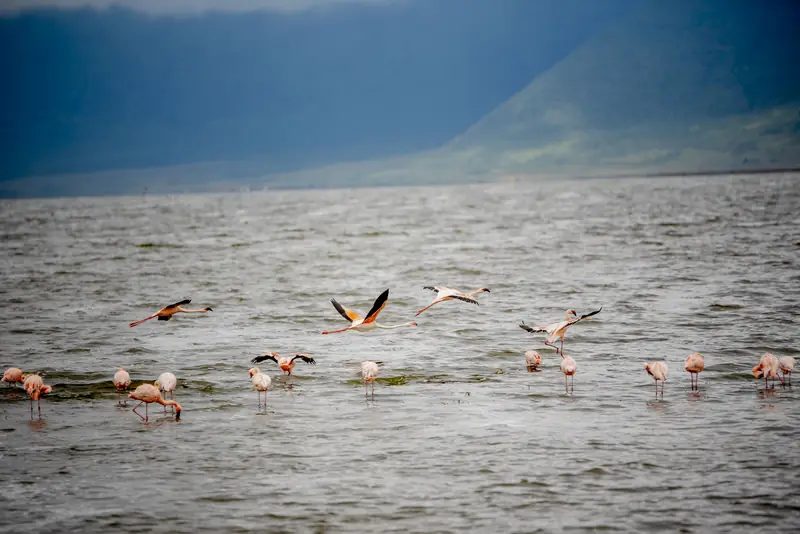

Small park, big surprises.
Lake Manyara National Park stretches between the dramatic wall of the Great Rift Valley and a shallow, alkaline lake. Much of the park is the lake itself, but the narrow strip of land around it packs in a remarkable variety of habitats.
Underground springs feed a lush groundwater forest of mahogany and fig trees, home to large troops of olive baboons and blue monkeys. Further on, open grassland, acacia woodland and hot springs lead to the lakeshore, where flamingos, pelicans and storks gather.
Ernest Hemingway famously praised Manyara as the loveliest lake he had seen in Africa. It is also known for its tree-climbing lions — a rare behaviour seen in only a few places on the continent.
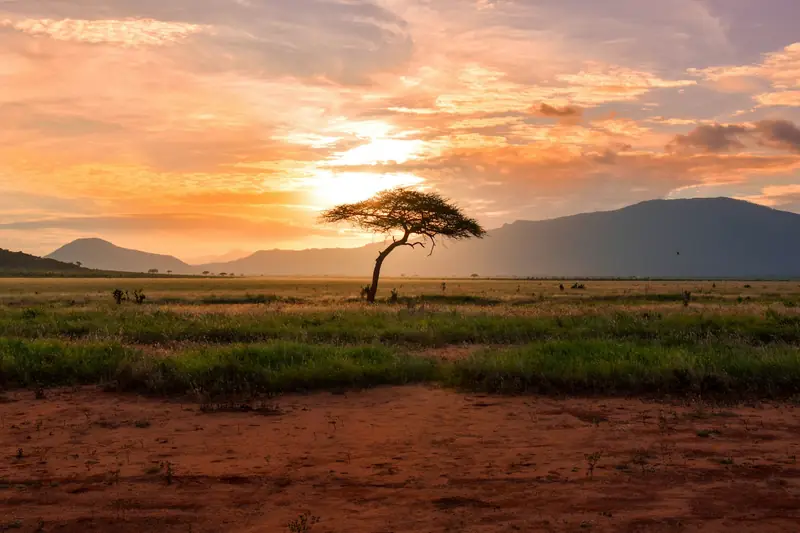
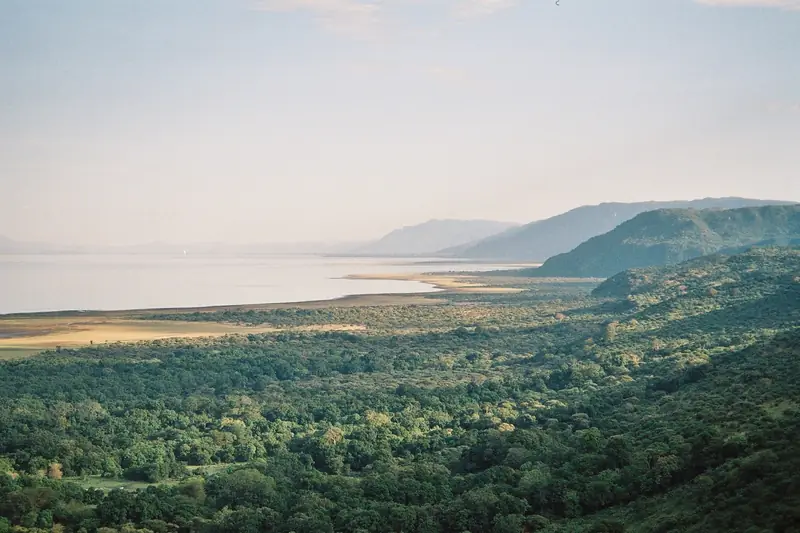 Rift Valley view
What you'll see.
Lake Manyara rewards a slow drive — the forest, plains and lakeshore each have their own residents.
Tree-climbing lions
Lions here are known for resting in the branches of acacia trees. Sightings are never guaranteed, which makes them all the more special.
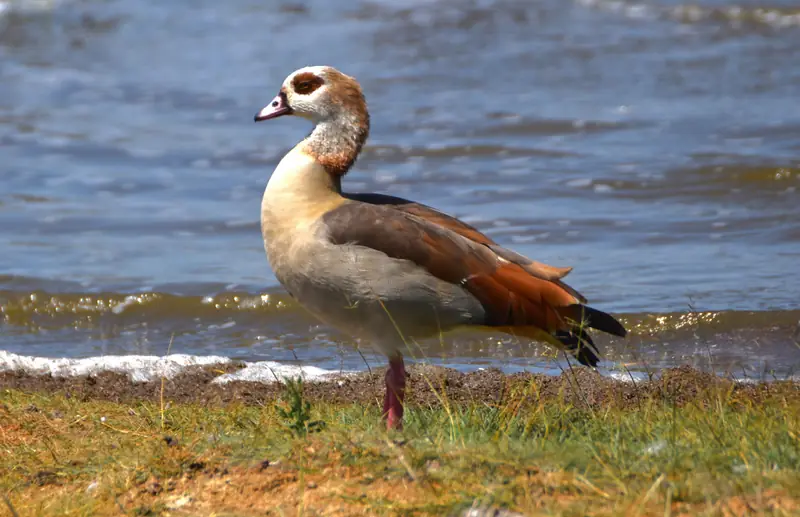
Flamingos & waterbirds
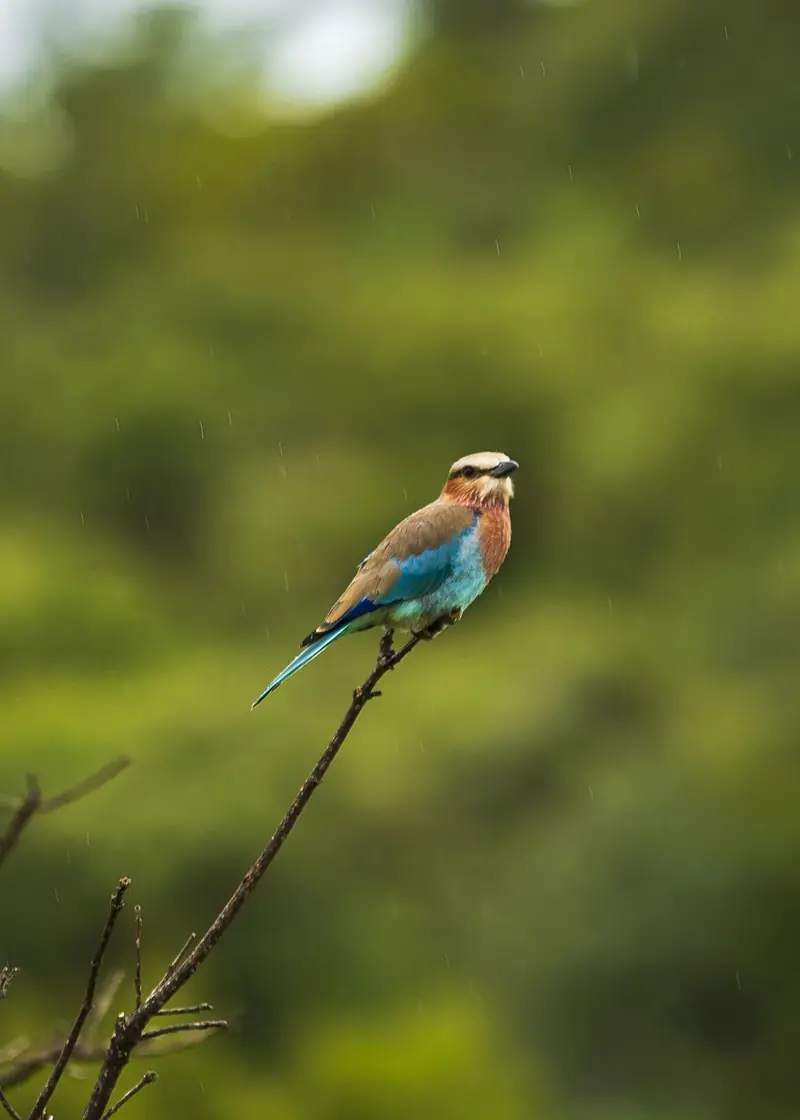
Flamingos, pelicans, storks and herons gather on the lake, especially in the wetter months.
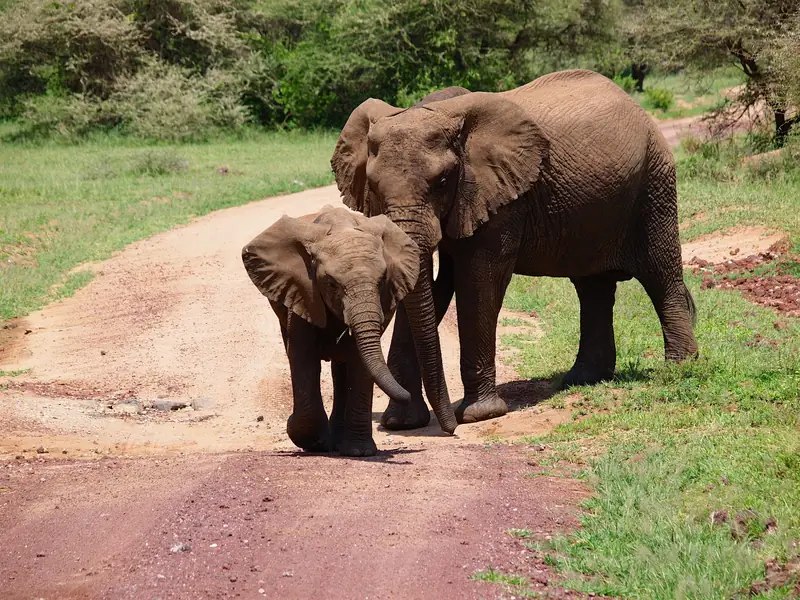
Elephants
Elephants move between the forest and the lakeshore, often close to the road.
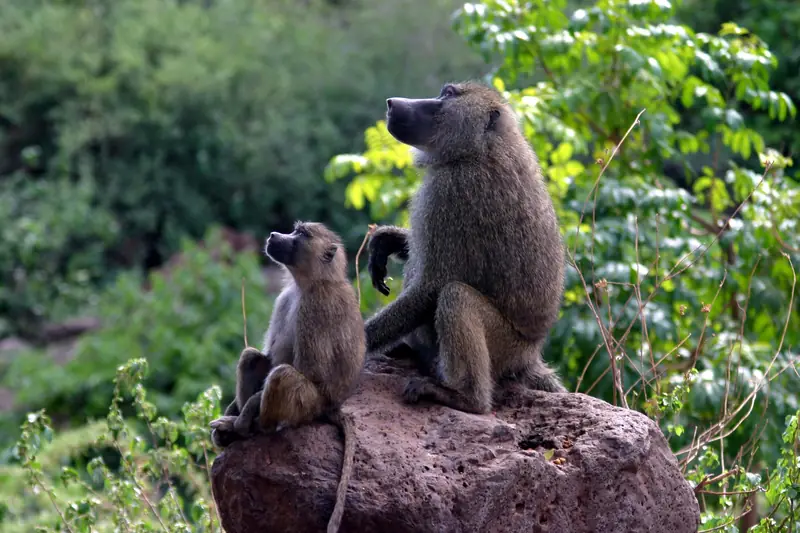
Baboons & monkeys
Large troops of olive baboons and shy blue monkeys live in the groundwater forest.
Hippos
The hippo pool near the lake is a reliable spot to watch them yawning and grunting.
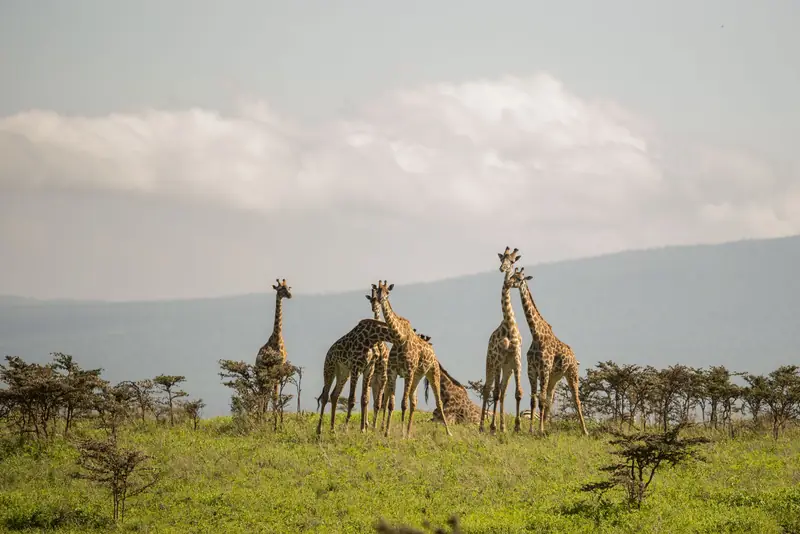
Giraffes, zebra & buffalo
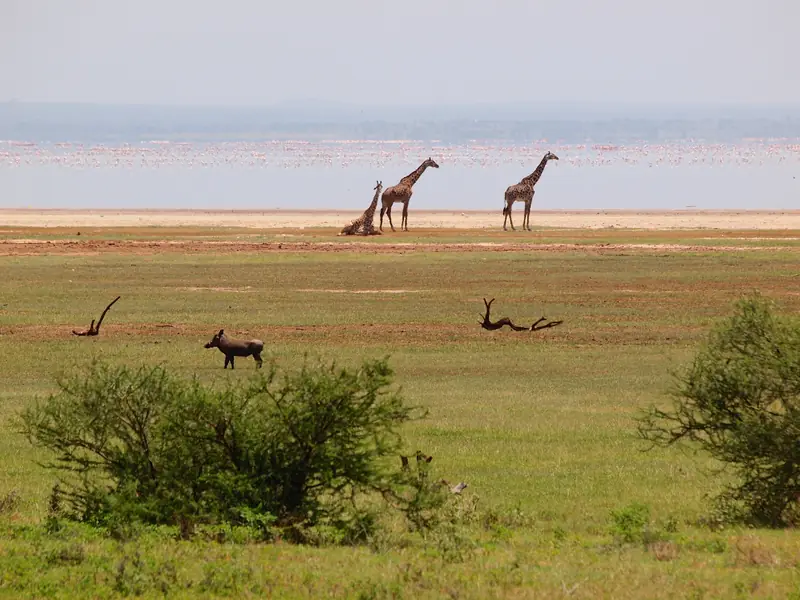
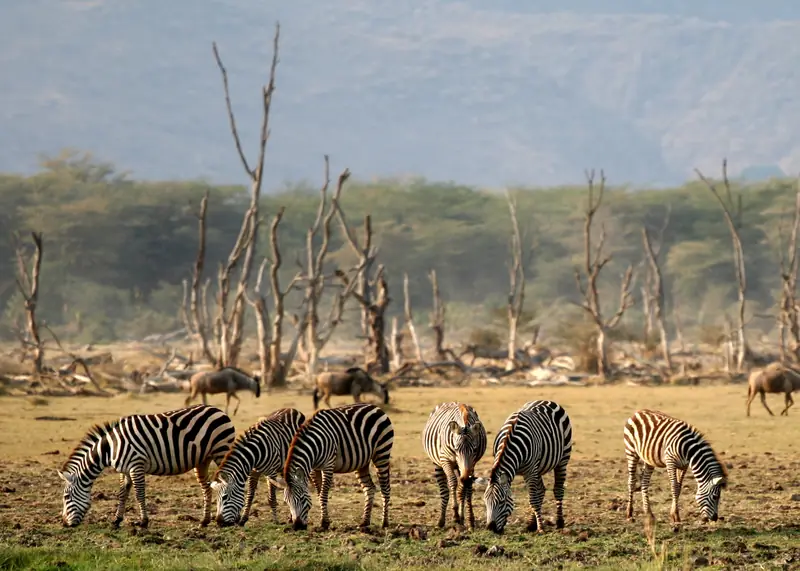
Open grassland near the lakeshore is home to giraffes, zebra, wildebeest and buffalo.
When to visit.
Large mammals are easiest to see in the dry season; birdlife and waterfalls are at their best in the wetter months.
Dry season
The best months for game viewing, with animals drawn to the lake and the forest springs.
Green season
A birdwatcher's paradise — migratory species arrive and flamingo numbers are often high.
Long rains
Lush forest and flowing waterfalls on the escarpment; some tracks may be muddy.
Things to do 
in Lake Manyara.
Game drive
A half or full day exploring the forest, the plains and the lakeshore.
Treetop walkway
Walk through the forest canopy on a suspended walkway of around 370 metres — a different view of the forest.
Maji Moto hot springs
Visit the hot springs at the southern end of the park, where water bubbles up from deep underground.
Birdwatching
With more than 350 species recorded, Manyara is one of the best birding spots in northern Tanzania.
Mto wa Mbu village
Explore the lively gateway village, its banana plantations and markets on a guided cultural walk.
Rift Valley views
Stop on the escarpment for a sweeping view across the lake and the Rift Valley floor.
Lake Manyara
in pictures.
A glimpse of what is waiting for you.
Getting there.
Practical tips to help you plan your visit to Lake Manyara.
By road
Around 2 hours (about 126 km) from Arusha, on the main road towards Ngorongoro and the Serengeti.
By air
Lake Manyara airstrip on the escarpment has flights to and from Arusha and the Serengeti.
Where to stay
Lodges on the escarpment with views over the lake, or tented camps near Mto wa Mbu.
Good to know
Manyara works perfectly as a half-day visit on the way to Ngorongoro, or a full day for a slower pace.
Safaris that visit Lake Manyara.
View All Safaris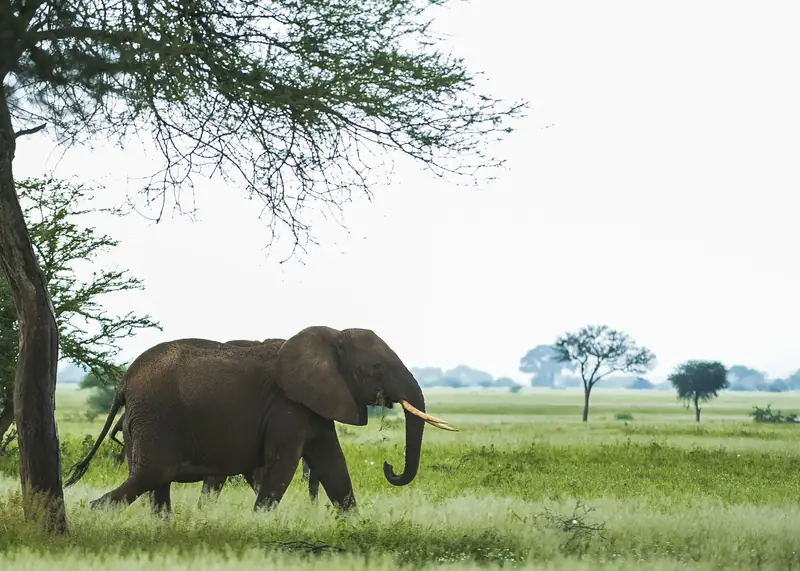
Frequently asked
questions.
Discover Lake Manyara.
Add the Rift Valley's hidden gem to your safari — we will plan the perfect route.