Home / Destinations / Kilimanjaro
Mount Kilimanjaro
The roof of Africa
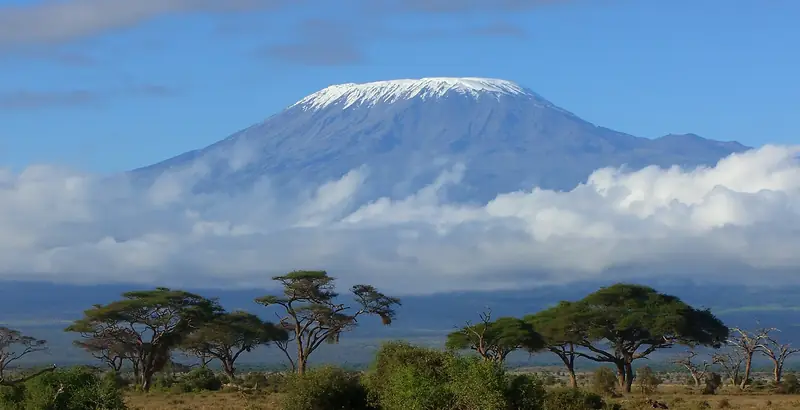
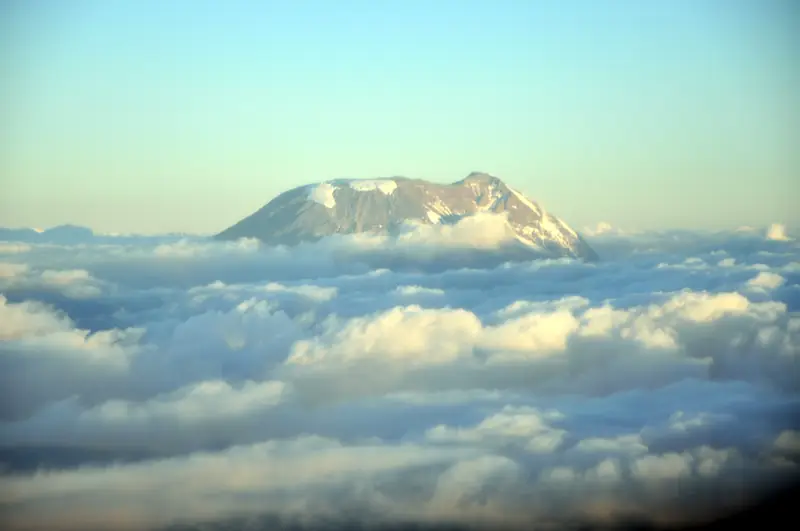
Africa's highest mountain and the world's tallest free-standing peak rises majestically just outside Arusha.
Climb through five worlds.
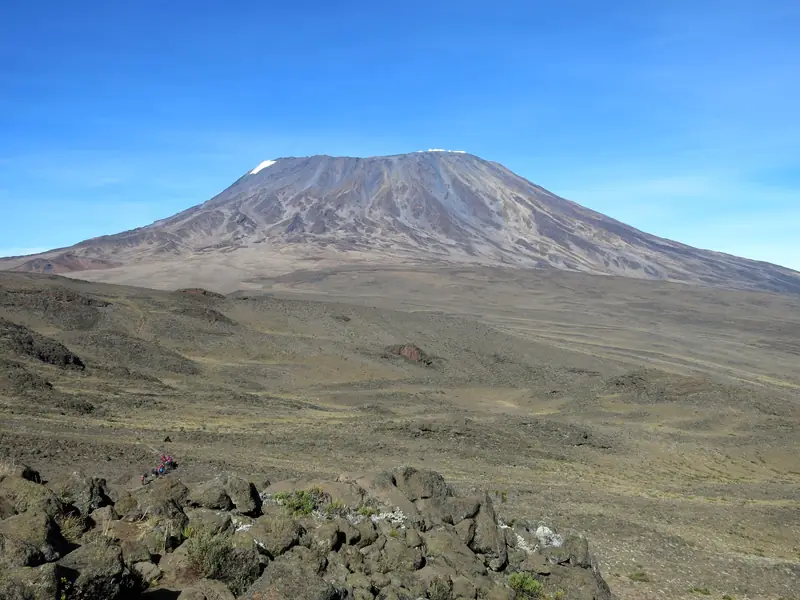
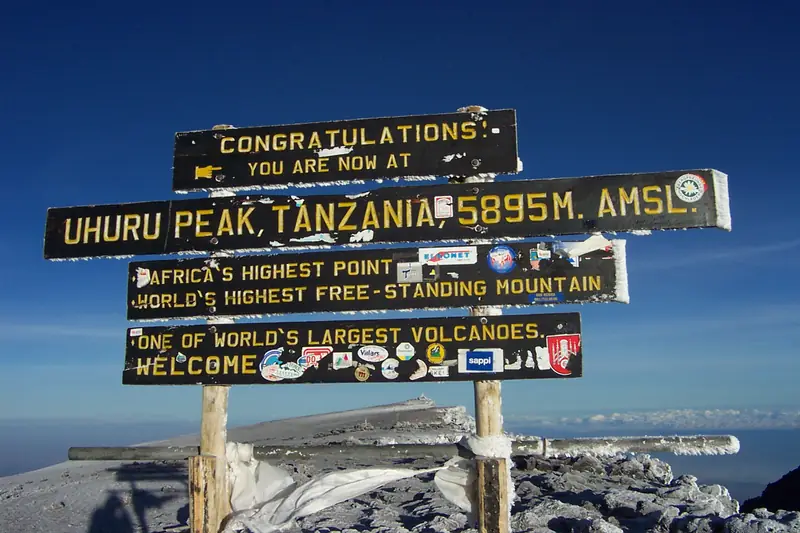
Kilimanjaro is a dormant volcano made of three cones — Kibo, Mawenzi and Shira. Its summit, Uhuru Peak on Kibo, stands at 5,895 metres, making it the highest point in Africa and the tallest free-standing mountain in the world.
Climbing it is like walking from the equator to the Arctic. You pass through farmland, dense montane rainforest, heath and moorland dotted with giant groundsels, a stark alpine desert and finally the icy summit with its retreating glaciers.
No technical climbing is needed, but the altitude is a real challenge. While Jolita Safari specialises in wildlife safaris, we recommend and arrange Kilimanjaro climbs through our trusted trekking partners — and the views of the mountain from Tarangire on a clear morning are unforgettable.
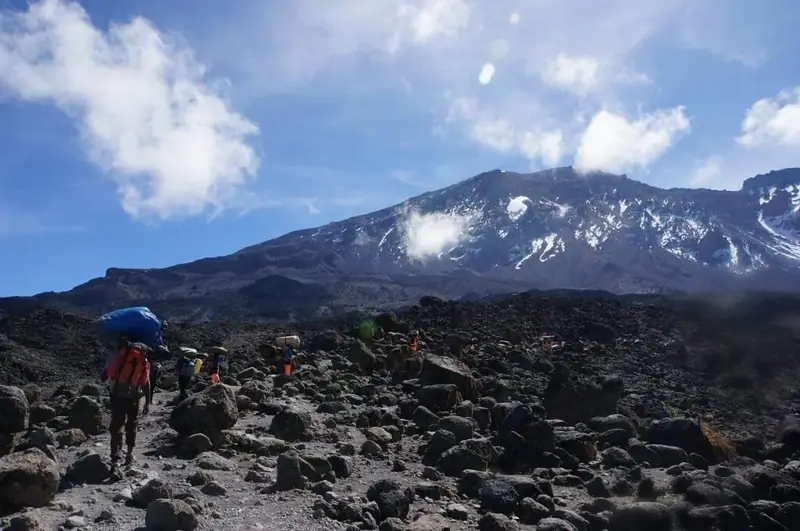 On the trail
The main routes.
Choosing the right route — and enough days to acclimatise — is the key to reaching the summit.
Machame
The popular "Whiskey" route: 6–7 days of varied scenery and good acclimatisation, camping all the way.
Lemosho
A quieter, beautiful approach from the west across the Shira Plateau. 7–8 days with excellent summit chances.
Marangu
The classic "Coca-Cola" route and the only one with hut accommodation. 5–6 days, gentler gradients.
Rongai
Approaches from the drier northern side near the Kenyan border — a good choice in the rainy season.
Northern Circuit
The longest route, circling the mountain over 8–9 days for the best acclimatisation and solitude.
Umbwe
A short, steep and demanding route for experienced trekkers comfortable with altitude.
When to climb.
Kilimanjaro can be climbed all year, but the dry months offer the clearest skies and safest conditions.
Warm & dry
Clear mornings and quieter trails — a great time for the summit, with a chance of snow on top.
Cool & dry
The most popular climbing season, with reliable weather and cold, clear nights.
Rainy seasons
Wet, muddy trails and cloud — the northern Rongai route is the best option if you go now.
Things to do 
in Kilimanjaro.
Summit climb
Reach Uhuru Peak at sunrise after a night ascent — the highest point on the African continent.
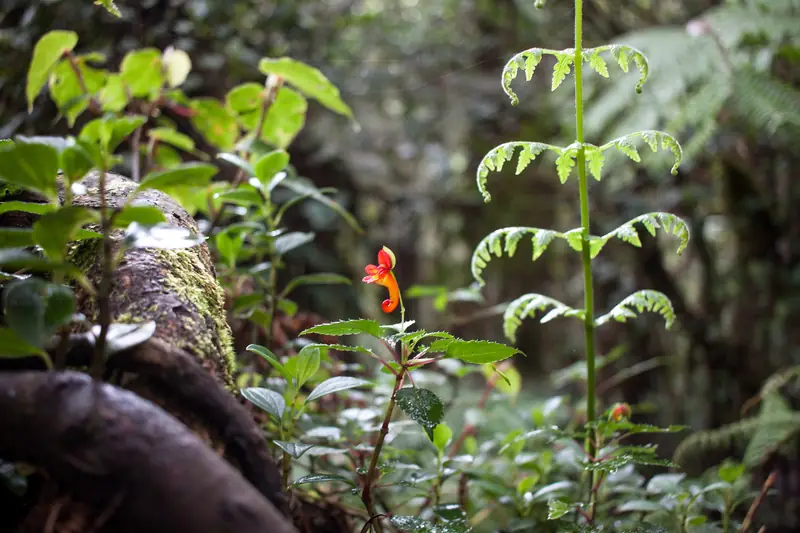
Rainforest walk
Day hikes through the lush lower forest, home to black-and-white colobus monkeys and rare flowers.
Shira Plateau
Cross one of the highest plateaus on Earth, with Kibo towering ahead.
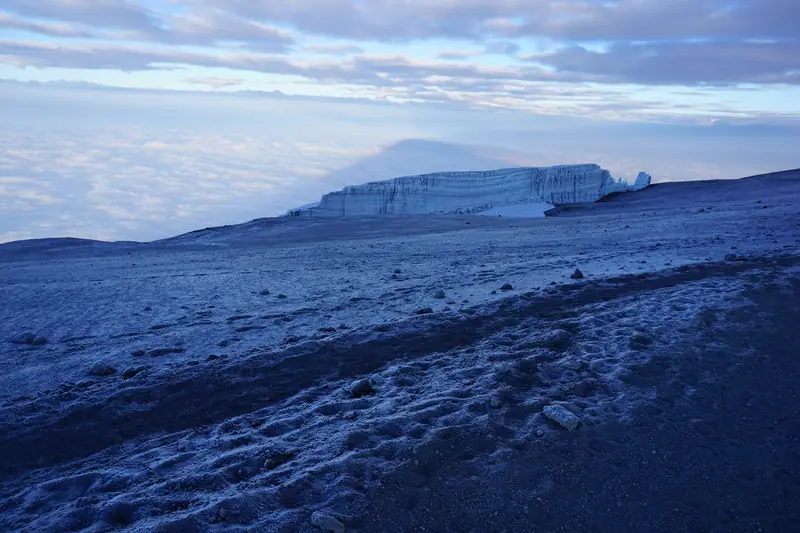
Glaciers & ice
See the last ice fields and glaciers near the summit before they disappear.
Chagga culture
Visit Chagga villages and coffee farms on the fertile lower slopes near Moshi.
Climb & safari
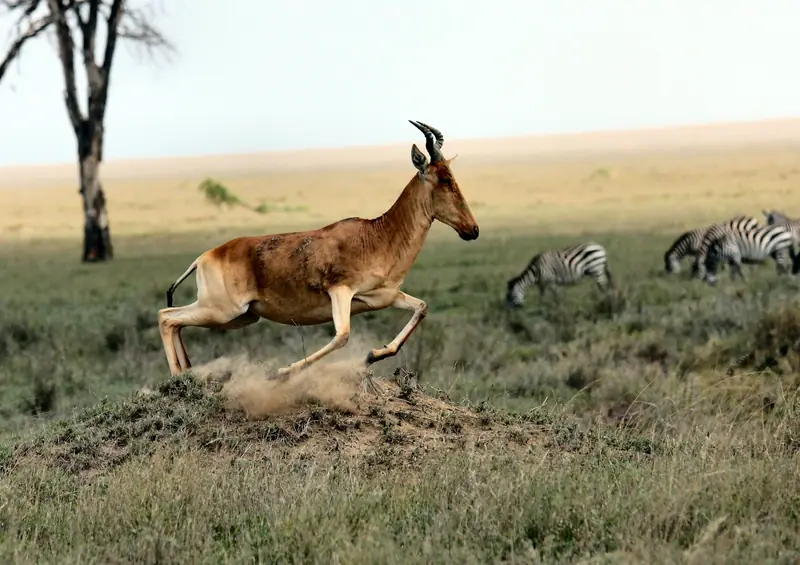
Celebrate your summit with a wildlife safari in Tarangire, Ngorongoro and the Serengeti.
Kilimanjaro
in pictures.
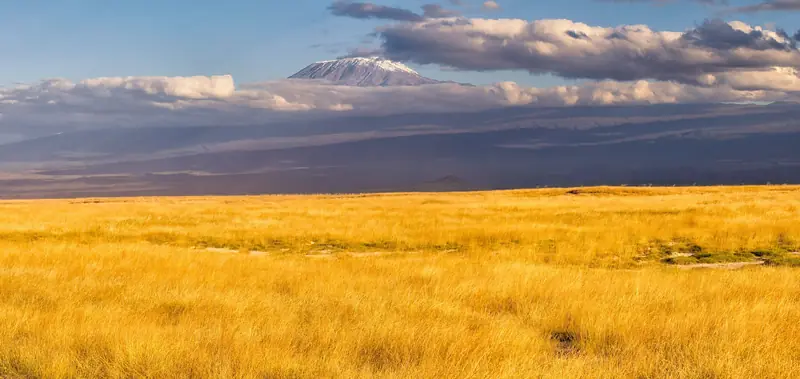
A glimpse of what is waiting for you.
Getting there.
Practical tips to help you plan your visit to Kilimanjaro.
Fly in
Kilimanjaro International Airport (JRO) sits between Arusha and Moshi, the main starting town for climbs.
From Arusha
Moshi and the park gates are around 1.5–2 hours by road from Arusha.
Take your time
Choose a route of at least 7 days if you can — extra acclimatisation greatly improves your summit chances.
Good to know
Travel insurance that covers trekking to 6,000 m is essential. Walk slowly — "pole pole" — and drink plenty of water.
Pair your climb with a safari.
View All Safaris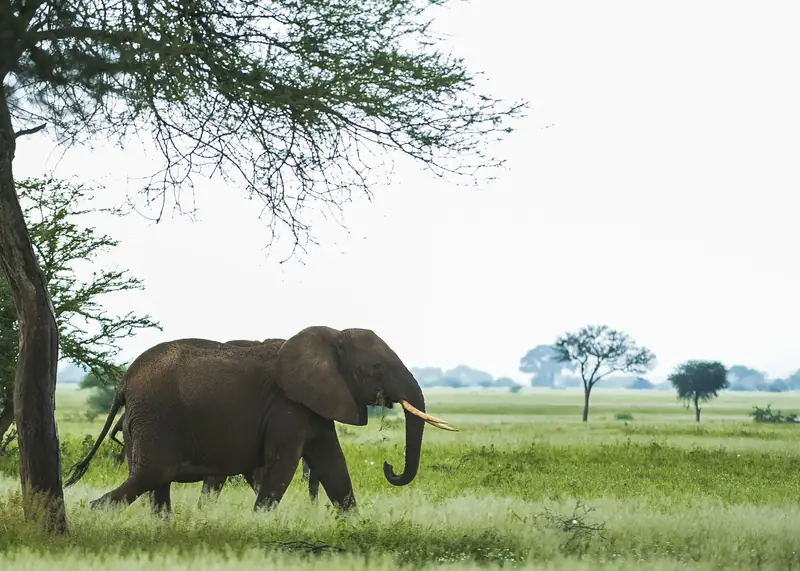
Frequently asked
questions.
Stand on the roof of Africa.
Ask us about Kilimanjaro — we will connect you with our trusted trekking partners and plan your safari around it.